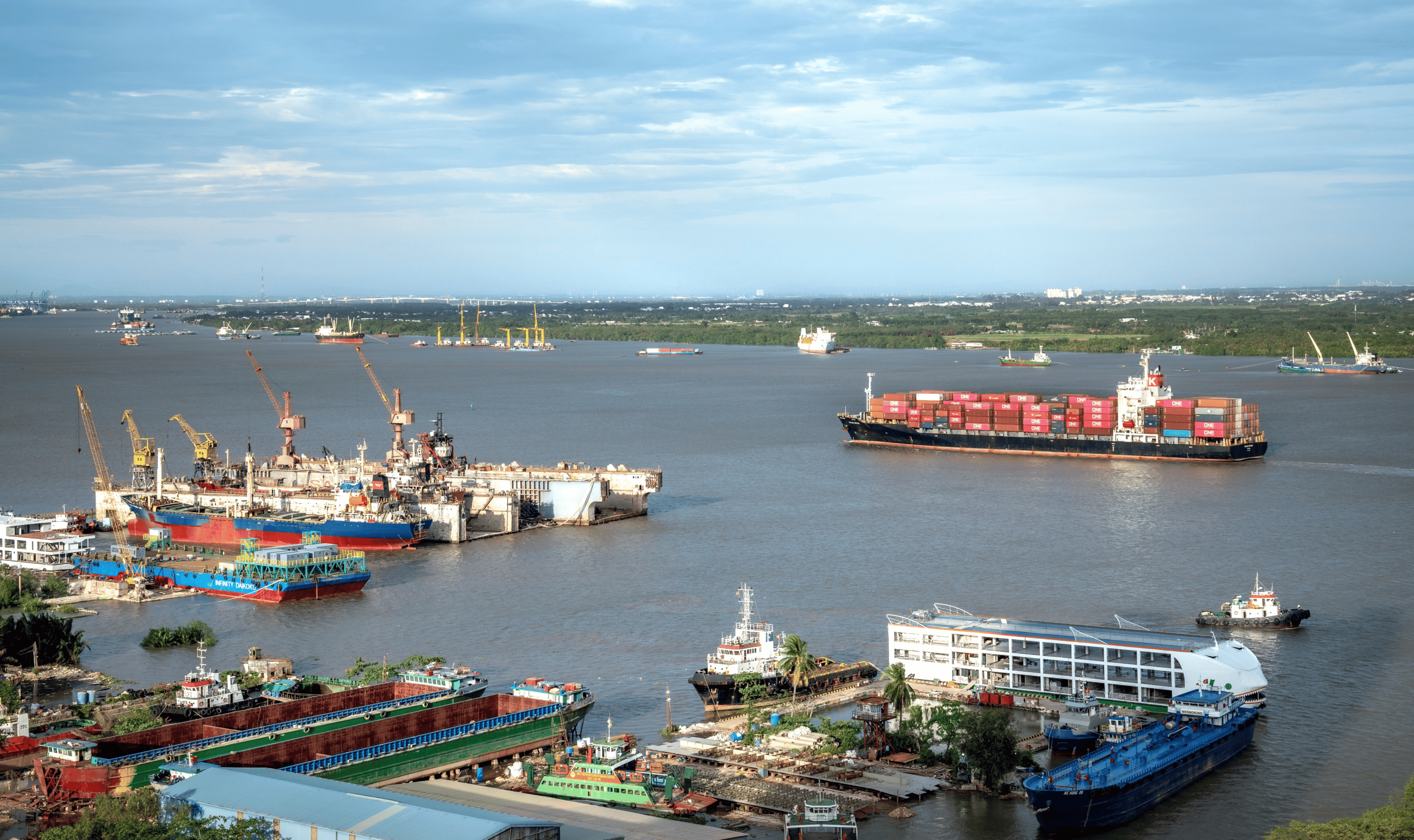
Global Trade Outlook · 2026
A more connected world.
A more complex trade landscape.
Discover the forces shaping international commerce in 2026 — from changing supply chains and rising trade costs to technology, regulation and new opportunities across global markets.
The 2026 Outlook
Global trade remains resilient.
But resilience is being tested.
Global trade entered 2026 with strong momentum. UN Trade and Development estimated global goods trade at approximately US$13.7 trillion in the first half of the year, up 12.5% from the same period in 2025.
Yet the headline numbers require context. A significant part of the increase reflected higher prices, while geopolitical tensions, shipping disruptions and rising energy and logistics costs continued to create uncertainty.
The result is a global trading environment where opportunity and risk increasingly exist side by side.
US$13.7T
Estimated global goods trade in H1 2026
+12.5%
H1 2026 goods trade compared with H1 2025
+1.9%
WTO baseline forecast for merchandise trade volume in 2026
4.8%
WTO forecast for commercial services trade growth in 2026
01 · Trade Momentum
Strong trade growth does not mean a predictable year.
The first half of 2026 showed continued expansion in global goods trade. East Asia played a major role, while demand for technology-intensive products provided additional momentum.
At the same time, higher energy, transport and production costs have inflated the value of trade. UNCTAD expects trade growth to slow later in 2026 as persistent tensions and rising trade costs weigh on the global economy.
Four Forces Shaping 2026
The global trade landscape is being rewired.
Businesses are adapting to a world where supply chains, technology, regulation and geopolitical conditions are increasingly interconnected.
Trade is becoming more strategic
International trade is increasingly being treated as a strategic business function rather than a series of individual transactions. Supplier concentration, market exposure, logistics routes and regulatory requirements are becoming central to commercial decision-making.
Supply chains are being redesigned
Businesses are looking for greater resilience through supplier diversification, alternative sourcing markets and stronger visibility across their international supply networks.
Technology is reshaping trade
AI infrastructure, semiconductors, ICT products, batteries and electric mobility are becoming important drivers of trade growth. Technology is also changing how companies discover suppliers, analyse markets and manage international operations.
Regulation matters more than ever
Market access increasingly depends on technical standards, certification, health and safety requirements, documentation and other non-tariff measures — not simply tariffs.
Technology & Trade
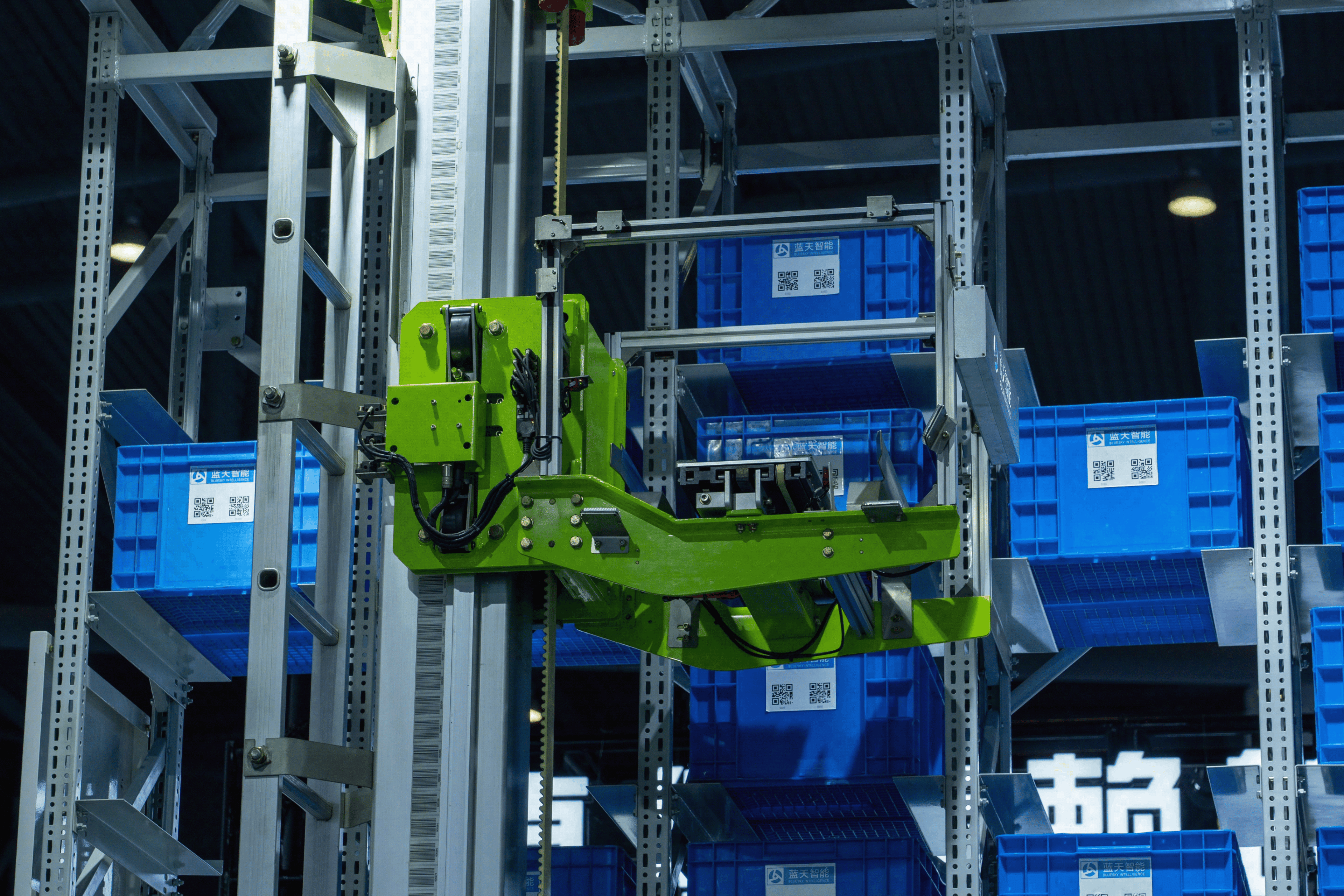
Technology is creating new trade corridors.
AI infrastructure and other technology-intensive sectors have become important sources of trade demand in 2026.
UNCTAD reported strong first-quarter growth across critical minerals, semiconductors, batteries, ICT products and electric vehicles.
This creates opportunities for businesses positioned around technology supply chains, while also increasing the strategic importance of access to critical inputs and reliable suppliers.
Regulation & Market Access
The next trade barrier may not be a tariff.
Tariffs remain an important consideration, but businesses also face technical regulations, mandatory standards, health and safety requirements, certification procedures and other non-tariff measures.
UNCTAD's 2026 analysis highlights that these measures now account for a significant share of trade costs and can strongly influence which products reach which markets.
Market access increasingly depends on understanding the rules of the market before entering it.
What Businesses Should Watch
Resilience is becoming a competitive advantage.
The strongest international businesses will not necessarily be those that avoid uncertainty. They will be those that build the flexibility to respond to it.
Diversify intelligently
Develop alternative suppliers, markets and logistics options where concentration creates unnecessary exposure.
Strengthen supplier intelligence
Evaluate suppliers on quality, capability, reliability, capacity and commercial fit — not price alone.
Understand market requirements
Assess regulations, standards, documentation and product requirements before entering a new market.
Build operational flexibility
Prepare trade routes, supplier relationships and processes that can adapt when market conditions change.
Looking Ahead
Global trade is not becoming less important.
It is becoming more strategic.
2026 is likely to reward businesses that combine international ambition with stronger sourcing intelligence, market awareness, regulatory readiness and supply-chain flexibility.
The Neemara Perspective
The future of trade will be built on stronger connections.
International commerce ultimately depends on the connections between businesses, suppliers, markets and opportunities. As global trade becomes more complex, reliable relationships and informed decisions become increasingly valuable.
At Neemara Internaational, we help businesses navigate these connections through global sourcing, imports, exports, procurement and international trade consulting.
Neemara Internaational
Connecting Global Possibilities.
Explore Further
Turn global opportunities into practical trade strategies.
Sources
UN Trade and Development (UNCTAD), Global Trade Updates and Trade and Development Foresights 2026; World Trade Organization (WTO), Global Trade Outlook and Statistics 2026. Statistics and forecasts reflect the sources available at the time of publication.