Market Insights
Understanding
the forces shaping
global commerce.
A closer look at the trends, technologies, trade policies and supply-chain shifts influencing how businesses operate across borders.
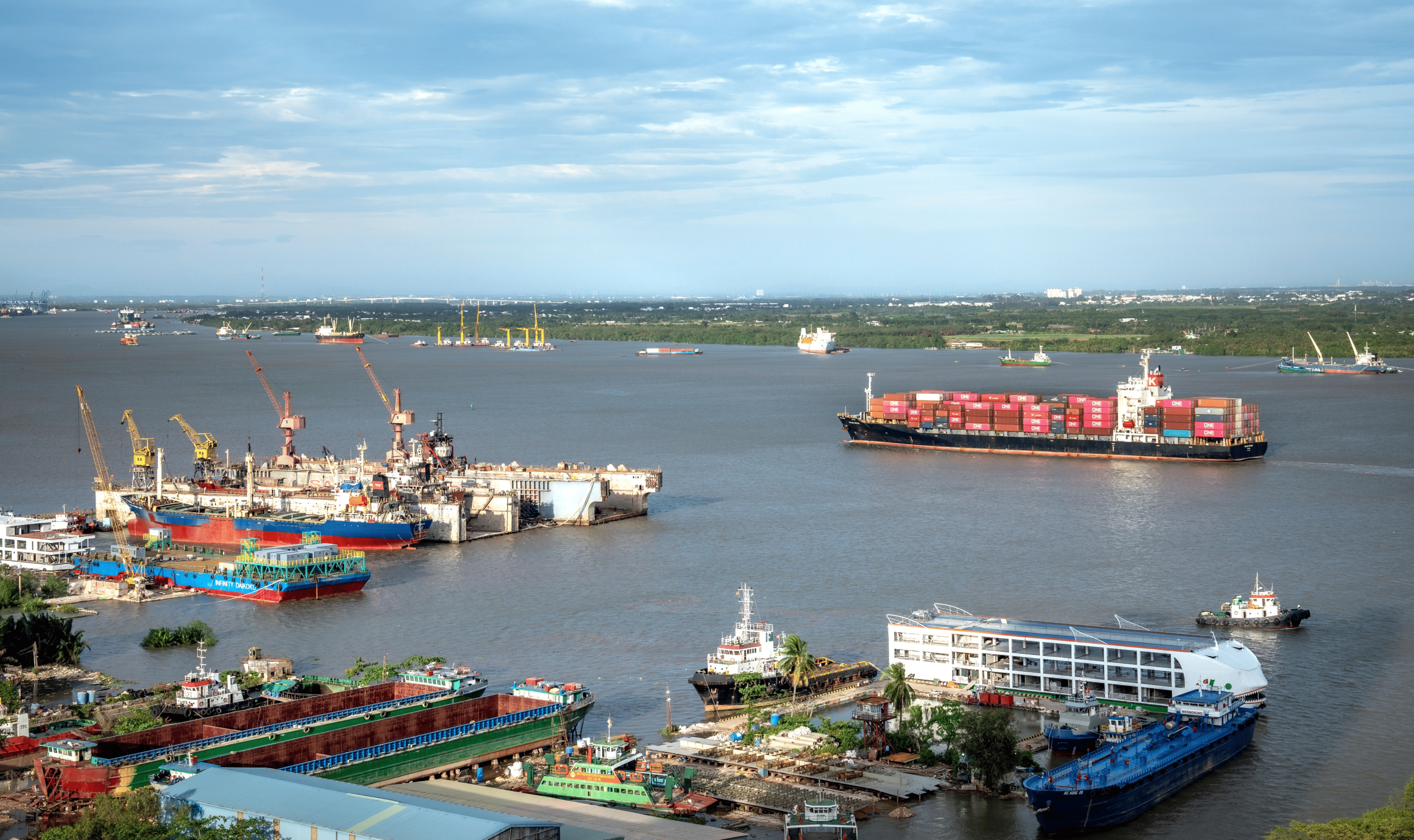
Global Trade & Connectivity
2026
Current Landscape
Global trade is growing — but the way it moves is changing.
Global trade reached a record level in 2025, with UN Trade and Development estimating the value of global trade at around $35 trillion.
Momentum continued into 2026, although higher prices, geopolitical uncertainty and rising trade costs are making the operating environment more complex.
The strongest shifts are visible across digital services, artificial intelligence infrastructure, advanced manufacturing, electric mobility and critical minerals — sectors increasingly influencing international trade patterns.
At A Glance
The numbers behind the shift.
2025 — 2026
$35T
Global trade
Global trade reached a record level in 2025.
56%
Digital services
Share of global services exports that are digitally deliverable.
71%
Services in value chains
Share of global intermediate inputs represented by services.
+40%
AI-enabled goods
Year-on-year trade value growth recorded in Q1 2026.
Services are becoming a bigger part of global trade.
Services now account for a substantial share of the inputs embedded in global production. UN Trade and Development reports that services represented around 71% of global intermediate inputs and 27% of global exports in 2025.
Digitally deliverable services are particularly important, accounting for 56% of global services exports.

Digital Infrastructure
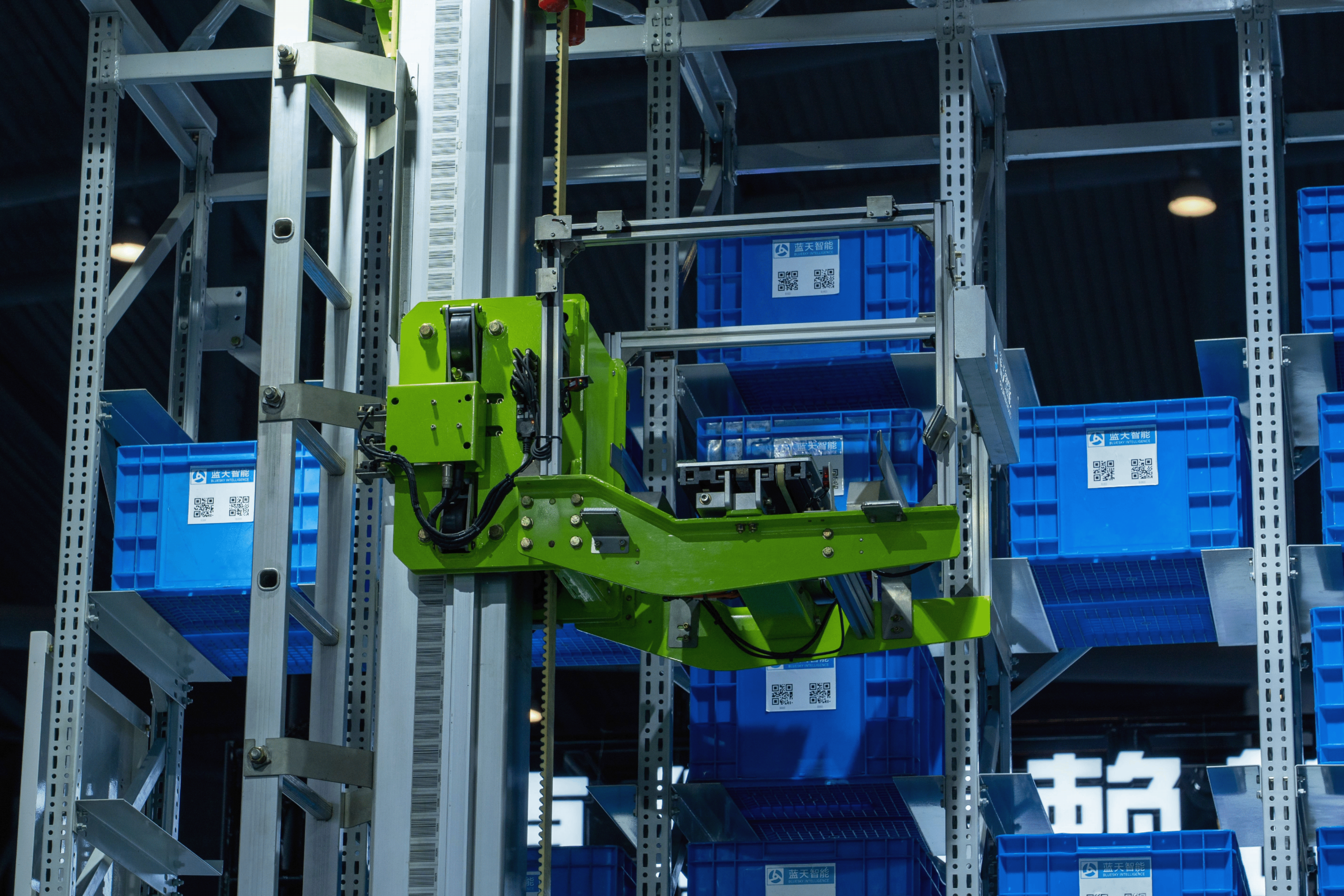
Supply Chains & Distribution
Global supply chains are becoming more strategic.
International production remains deeply interconnected, but businesses are increasingly looking beyond simple cost optimisation.
Resilience, supplier concentration, market access and the ability to respond to disruption are becoming strategic considerations.
Explore Supply Chain→The cost of trade is about more than tariffs.
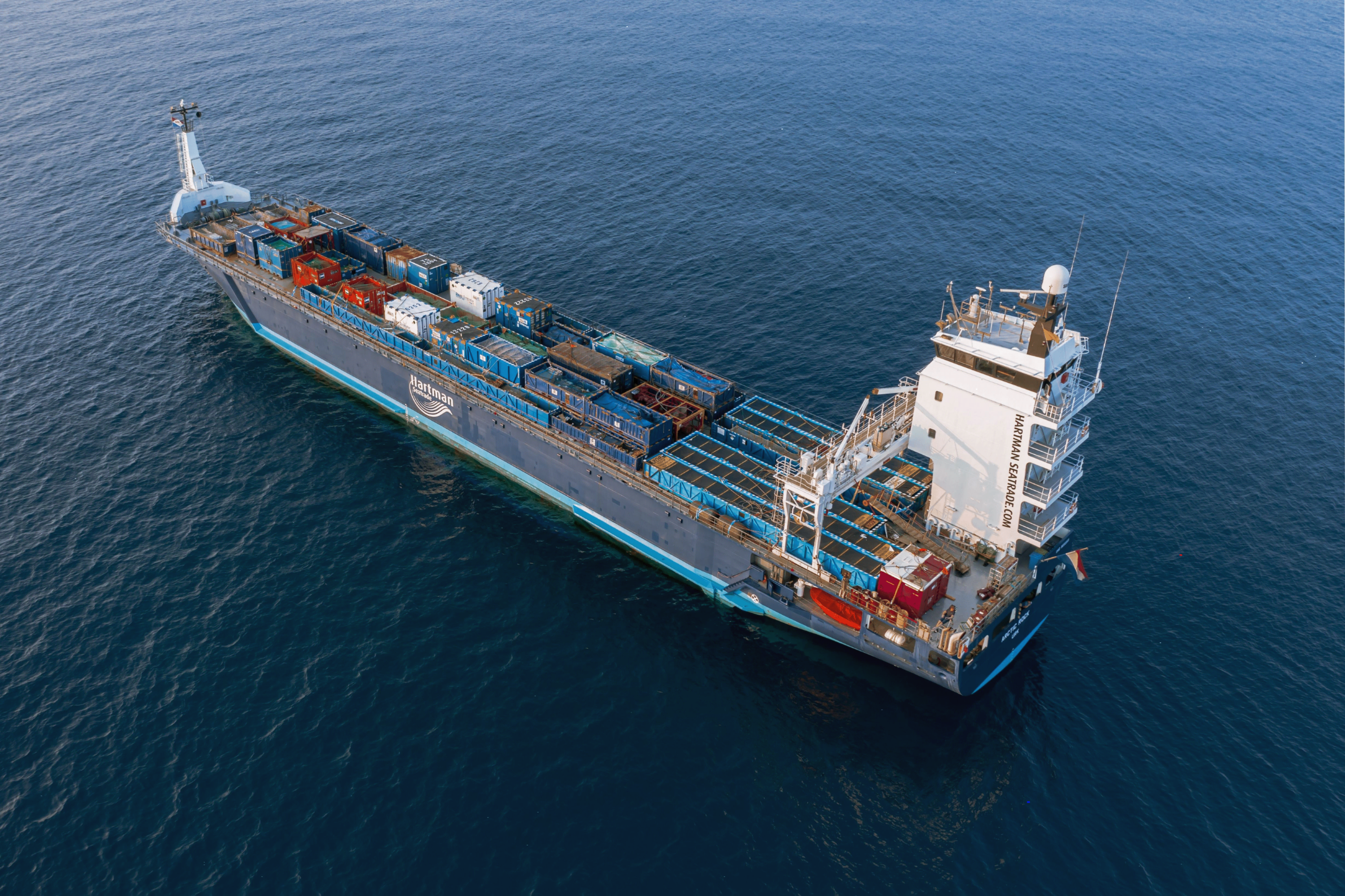
Beyond Tariffs
Regulations, logistics, standards and disruption increasingly shape the real cost of doing business across borders.
Non-tariff measures such as technical regulations, sanitary requirements and product standards can create significant trade costs. Understanding these requirements is therefore an increasingly important part of international market strategy.
For businesses, resilience increasingly depends on seeing the entire trade journey — not simply the headline tariff.
Technology is changing what the world trades.
AI infrastructure and advanced technologies are becoming increasingly visible in global trade flows.
UN Trade and Development reported strong first-half 2026 growth across several technology-intensive categories, while WTO data showed AI-enabling goods trade value rising sharply in the first quarter.
+40%
AI-enabling goods
+25%
Semiconductor trade
What This Means
Intelligence should lead to action.
The changing trade environment creates both risks and opportunities. Businesses can respond by making international sourcing and market decisions more deliberate, diversified and informed.
Diversify
Build broader sourcing and market options rather than relying too heavily on a single supplier, route or geography.
Evaluate
Look beyond price. Reliability, regulatory requirements, logistics and resilience increasingly influence supplier decisions.
Monitor
Tariffs, standards, logistics conditions and geopolitical developments can quickly change the economics of international trade.
Adapt
Businesses that can adjust sourcing, routes and market strategies are better positioned to navigate uncertainty.
Research
Sources & further reading
Selected publications from international organisations tracking global trade, services and economic conditions.
UN Trade and Development
Global Trade Update — September 2026
Services, digital trade and the changing structure of global commerce.
UN Trade and Development
Global Trade Update — July/August 2026
Global trade expansion, prices and high-technology goods.
World Trade Organization
Goods Trade Barometer — September 2026
Latest indicators for global merchandise trade conditions.
World Trade Organization
Global Trade Outlook and Statistics — March 2026
Trade forecasts, merchandise trade and services outlook.
Neemara International
Turn market intelligence
into opportunity.
Explore how strategic sourcing, international trade and market connections can help your business move with greater confidence.
Talk to Neemara→